Beyond the Bank: How Manufacturers are Securing Equipment Capital Amidst Credit Crunches

What changed
Traditional banking channels are becoming increasingly inaccessible for small and medium-sized manufacturing firms. According to Tzortzis Capital, regional banks have reached their sector concentration caps, leaving many manufacturers unable to secure necessary lines for capital expenditures Tzortzis Capital. While bank lending is contracting, the broader financing market remains resilient; Praxent reports that credit approvals for businesses are at a historic high of 78%, signaling that capital is available—but it is flowing through different, more flexible channels Praxent.
How it works
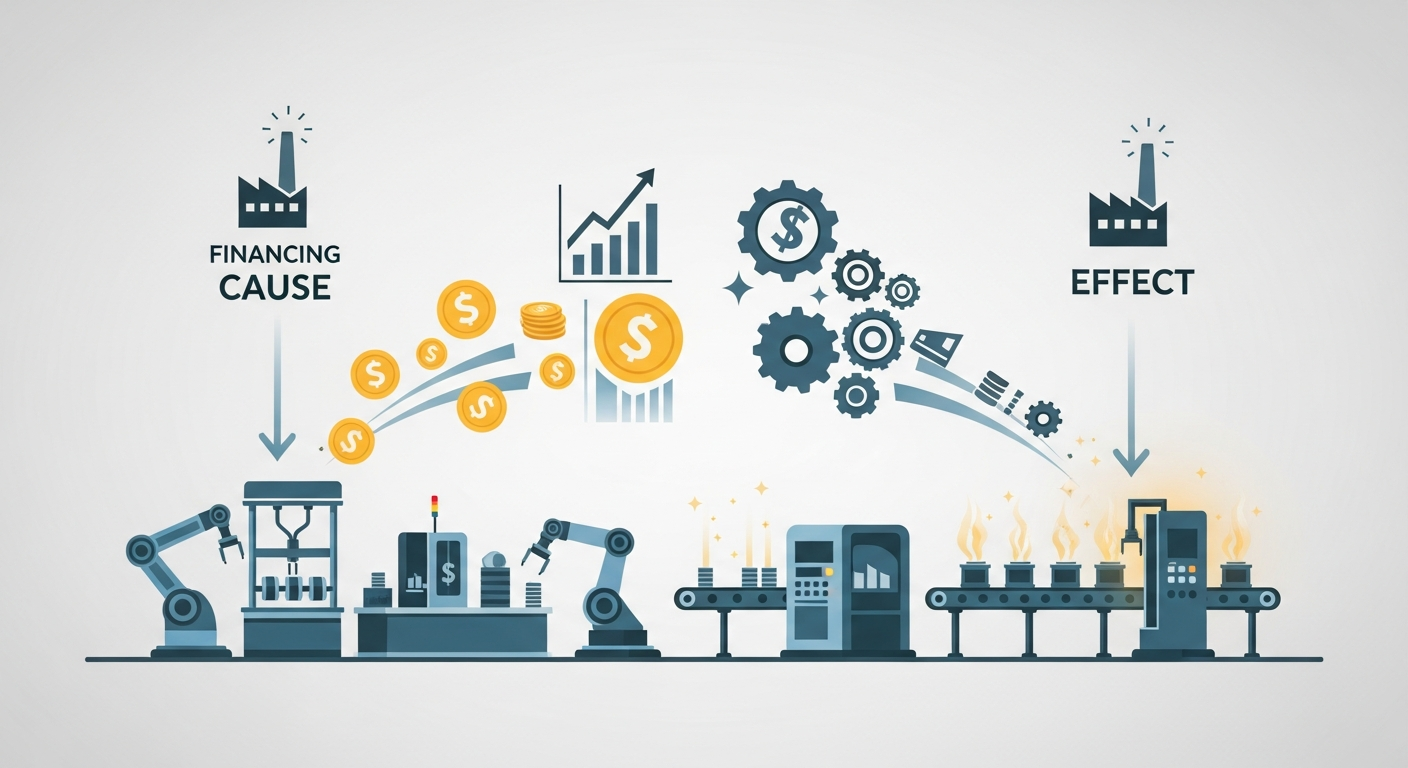
The shift is characterized by a move toward specialty non-bank structures. Tzortzis Capital highlights five distinct non-bank structures now dominating the landscape, emphasizing that these providers are stepping in where banks have retreated Tzortzis Capital. Both sources agree that the financing landscape is evolving away from rigid bank terms. Praxent notes that the new wave of lenders is prioritizing digital-first interfaces and usage-based products, which align payment schedules with equipment utilization rather than traditional, fixed-loan amortization Praxent.
Who it hits
This credit migration primarily impacts small to medium-sized manufacturing firms that rely on constant machinery upgrades to maintain competitive edges. Procurement managers and business owners operating CNC centers or automated assembly lines are finding that the old "walk into a bank" model is no longer effective for high-CAPEX equipment acquisition. The shift is most disruptive for firms that lack diverse lending relationships and are heavily dependent on traditional regional bank lines of credit.
Why this matters for business owners
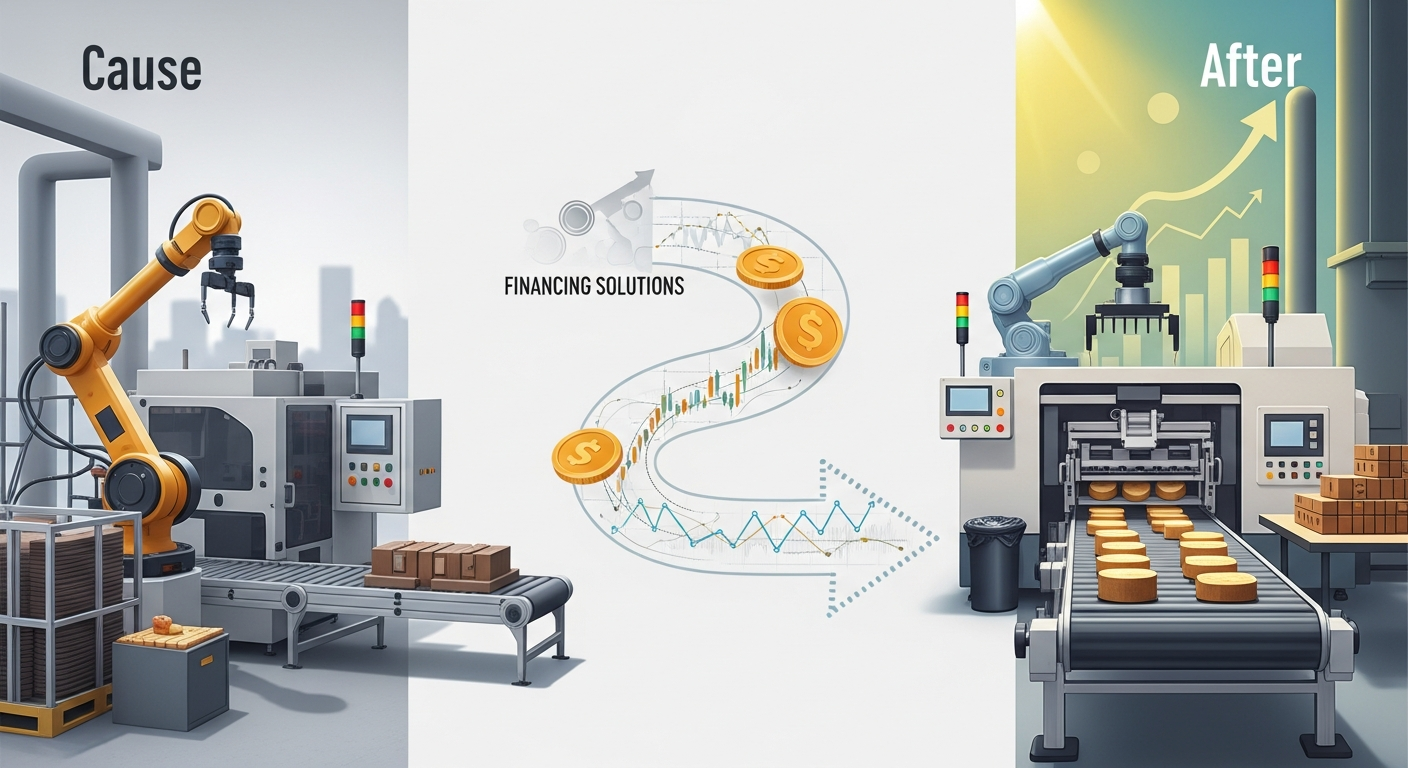
For an operator looking to install a new high-speed CNC machine, the pivot to non-bank financing translates to a shift in cash flow management. Instead of a large upfront down payment that could deplete your working capital, usage-based models allow you to match your equipment payments to your production output. This means that in slower months, your financial obligation may scale down, providing a vital cushion that traditional term loans do not offer.
Qualification hurdles are also evolving. Because digital-first non-bank lenders leverage automated underwriting, the "time to fund" has decreased significantly compared to traditional banking cycles. While rates can vary based on equipment type and credit profile, these specialty lenders often focus more on the asset value of the machinery itself rather than just the balance sheet of the business, allowing many firms to acquire essential technology that a traditional bank might have previously declined.
Bottom line
While regional bank caps are restricting traditional capital, the high 78% approval rate in the non-bank sector indicates that financing for machinery remains robust for prepared businesses. Shifting to flexible, usage-based, or sale-leaseback models can provide the necessary liquidity to maintain production standards without stalling growth.
[See if you qualify for current equipment financing rates]
Disclosures
This content is for educational purposes only and is not financial advice. manufacturingequipment-financing.com may receive compensation from partner lenders, which may influence which products are featured. Rates, terms, and availability vary by lender and applicant qualifications.
What business owners say
4.9-
This company was lightning fast and the experience was amazing. Thank you, Dan — you're a real pro!
-
Good service Joseph Krajewski is the best agent ever. He provided excellent service. I strongly recommend working with him if you have the opportunity.
-
They gave me a chance when nobody else would. I'm very satisfied.
Frequently asked questions
Why are regional banks restricting equipment loans?
Many regional banks have hit internal sector concentration caps, which limit their ability to lend further to the manufacturing industry.
Are credit approvals currently easy to obtain?
Yes, despite the shift away from traditional banks, credit approval rates remain high at approximately 78% due to the rise of flexible, digital-first lenders.
What financing structures are available outside of banks?
Manufacturers are increasingly utilizing sale-leasebacks, direct equipment financing, and usage-based models to manage machinery costs.
- How to Fix a 404 When Searching for Manufacturing Equipment Financing (25/09/2026)
- How to Finance Manufacturing Equipment and Scale Your Production Line in 2026 (22/09/2026)
- How to Fix Missing or 404 URLs on Manufacturing Equipment Financing Sites (22/09/2026)
- How to Read and Compare Manufacturing Equipment Financing Terms in 2026 (22/09/2026)
- What to Do When a Manufacturing Equipment Financing Link Returns a 404 (12/09/2026)
- Navigating Manufacturing Equipment Financing: A 2026 Guide for Small and Medium Manufacturers (12/09/2026)
- GraphQL in Manufacturing Equipment Financing: Faster Loan Decisions with APIs (12/09/2026)
- Mastering Equipment Financing Queries: Find the Best Manufacturing Deals in 2026 (12/09/2026)